Tarangire National Park
Tarangire National Park: A Hidden Gem for Wildlife Enthusiasts
Tarangire National Park is one of Tanzania’s most underrated safari gems. Nestled in the northern safari circuit, just a few hours from Arusha, the park covers approximately 2,850 square kilometres. Known for its vast elephant herds, ancient baobab trees, and seasonal migration, Tarangire offers a quieter, more intimate experience than the more famous Serengeti or Ngorongoro Crater.
The park is named after the Tarangire River, which meanders through the landscape and serves as the primary water source during the dry season. This attracts a huge variety of wildlife and makes Tarangire a photographer’s paradise.
Best Time to Visit Tarangire National Park
Dry Season: June to October
- Wildlife congregates around the Tarangire River
- Easier game viewing
- Minimal rainfall and pleasant weather
Wet Season: November to May
- Lush green scenery and dramatic skies
- Fewer tourists
- Ideal for birding and photography
Tip: Visit between August and October to witness Tarangire’s mini-migration of elephants, zebras, and wildebeests.
What Makes Tarangire Unique Compared to Serengeti or Ngorongoro
Tarangire National Park
- Best for elephants and baobab trees
- Quieter, less crowded
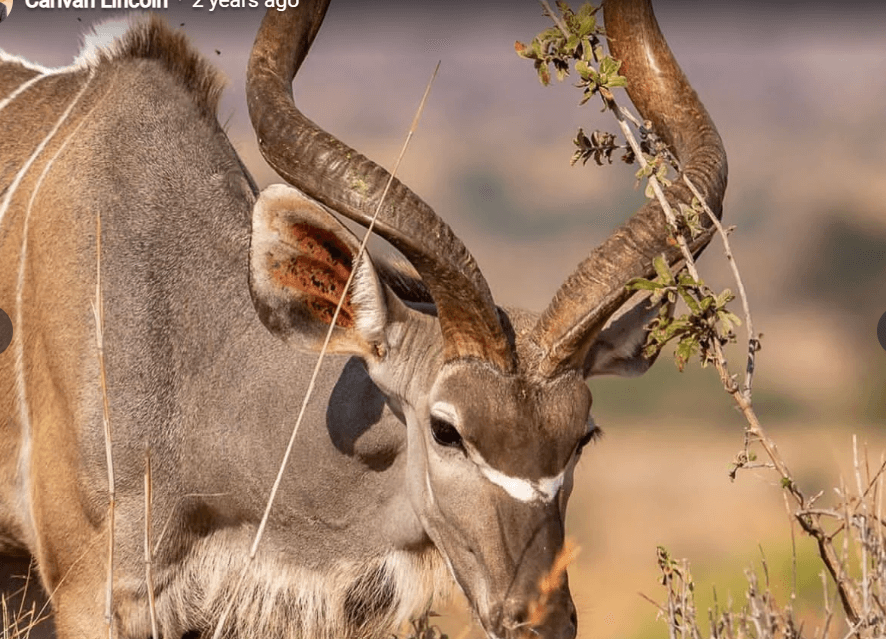
- Unique wildlife like the fringe-eared oryx and greater kudu
- Offers walking safaris and night drives
Serengeti National Park
- Home of the Great Migration
- Huge landscapes and predator sightings
- Ideal for multi-day safaris
Ngorongoro Crater
- High animal density in a small area
- Unique geological structure
- Great for Big Five sightings in one day
Verdict: Choose Tarangire for off-the-beaten-path charm and immersive experiences.
Baobab Trees and Wildlife: Tarangire’s Signature Landscape
The park is dotted with majestic baobab trees, some over 1,000 years old. These “upside-down trees” store water in their thick trunks and bloom spectacularly during the wet season.
Wildlife interaction:
- Elephants often strip baobab bark for moisture
- Birds nest in the hollow trunks
- Leopards use them for elevated vantage points
These trees not only support ecosystems but also create stunning backdrops for wildlife photography.
Walking Safaris and Night Drives in Tarangire
Tarangire is one of the few parks in Tanzania where walking safaris are permitted.
- Led by armed guides and rangers
- Track animals on foot
- Learn about plants, tracks, and insects
Night Drives
Experience Tarangire after dark with guided night safaris offered by select lodges.
- Spot nocturnal creatures like bush babies, porcupines, and civets
- Listen to the sounds of the wild
- Get a new perspective on predator behaviour
Recommended Lodges for Night Activities:
- Tarangire Safari Lodge
- Oliver’s Camp
- Little Oliver’s Camp
Photography Tips for Tarangire National Park
- Golden Hours: Shoot at sunrise or sunset for soft lighting
- Silhouettes: Use baobab trees to frame wildlife silhouettes
- Zoom Lenses: Ideal for birding and capturing distant predators
- Rule of Thirds: Use it for landscape shots with wildlife
- Avoid Midday: Harsh sunlight can flatten your images
Bring extra batteries and memory cards. Dust protection is essential due to dry conditions.
Wildlife You Can See by Month
January – March
- Elephants and resident herds
- Giraffes and dik-diks
- Good predator sightings: lions and leopards
April – May
- Green landscapes and calving season
- Fewer visitors
- Migratory birds begin to appear
June – August
- Elephants gather at the river
- Wildebeests and zebras return
- Predators follow the migration
September – October
- Peak of Tarangire’s mini-migration
- Cheetah and wild dog activity increases
- Dry season concentrates animals near water
November – December
- Start of short rains
- Excellent for birdwatching
- Migrants move to greener areas
Birding in Tarangire National Park
Tarangire is a birder’s paradise, home to over 500 bird species. The wetlands and woodlands support a variety of endemic and migratory birds.
Species to Look For
- Yellow-collared lovebird
- Von der Decken’s hornbill
- Saddle-billed stork
- Grey-headed kingfisher
- Masai ostrich
Tip: Visit during the wet season for the most vibrant bird activity.
Travel Tips for Tarangire National Park
Health and Safety
- Malaria: Use insect repellent and take anti-malarial medication
- Vaccinations: Yellow fever (if transiting through infected countries), Hepatitis A & B, Typhoid
Packing List
- Lightweight clothing (earth tones)
- Hat and sunglasses
- Sunscreen and insect repellent
- Binoculars and camera
- Reusable water bottle
Real Safari Story: Client Quote
“Tarangire stole my heart. Watching a herd of over 300 elephants walk past our tent was surreal. The baobabs, the silence, the stars—it’s everything a true safari should be.” — Maria L., Germany
Sample Custom Map & Wildlife Hotspots (Textual Description)
- Northern Sector: Most lodges and elephant activity
- Tarangire River Line: High predator and herbivore density during dry season
- Silale Swamps: Birdwatching and wetland species
- Southwest Tarangire: Less explored, good for walking safaris
Tarangire National Park may be less famous than Serengeti or Ngorongoro, but it offers an equally rich and unique safari experience. With its elephant migration, ancient baobab trees, diverse wildlife, and off-the-beaten-path feel, it’s a must-visit for nature lovers, photographers, and anyone seeking a peaceful escape into the wild.