Ruaha National Park
Ruaha National Park Safari: Tanzania’s Untamed Wilderness for Big Cats and Remote Safaris
Ruaha National Park is the largest national park in Tanzania and one of the least visited, making it a dream destination for travellers seeking unspoiled wilderness and raw safari experiences. Nestled in the heart of southern Tanzania, Ruaha offers visitors the chance to witness Africa’s most iconic wildlife without the bustling crowds typical of the Northern Circuit. This park is a magnet for serious safari enthusiasts, photographers, and adventure seekers eager to explore vast landscapes, diverse ecosystems, and thriving wildlife.
Unlike Serengeti or Ngorongoro, Ruaha National Park feels untouched and authentic. Here, you’re more likely to encounter lions than other vehicles on a game drive. From the powerful roar of lions echoing through the bush to sightings of endangered wild dogs weaving through tall grass, Ruaha is a sanctuary for unforgettable wildlife encounters and quiet reflection under the African sky.
Unique Wildlife Encounters in a Low-Tourist-Density Paradise
A Rarely Explored, Authentic Safari
Ruaha National Park Safari spans over 20,000 square kilometres, making it not only the largest in Tanzania but also one of the largest protected areas in East Africa. Yet it receives only a fraction of the visitors seen in northern parks. This low tourist density translates into an exclusive safari experience where you can explore in peace and truly connect with nature.
Wildlife Without the Crowds in Ruaha National Park Safari
Ruaha National Park is home to a wide array of wildlife, including giraffes, zebras, impalas, hippos, crocodiles, buffalo, and a plethora of predators. The absence of crowds means sightings feel more intimate and special. You might find yourself watching a pride of lions on a kill or observing elephants bathing in the Ruaha River—all without another vehicle in sight.
A Haven for Endangered Species
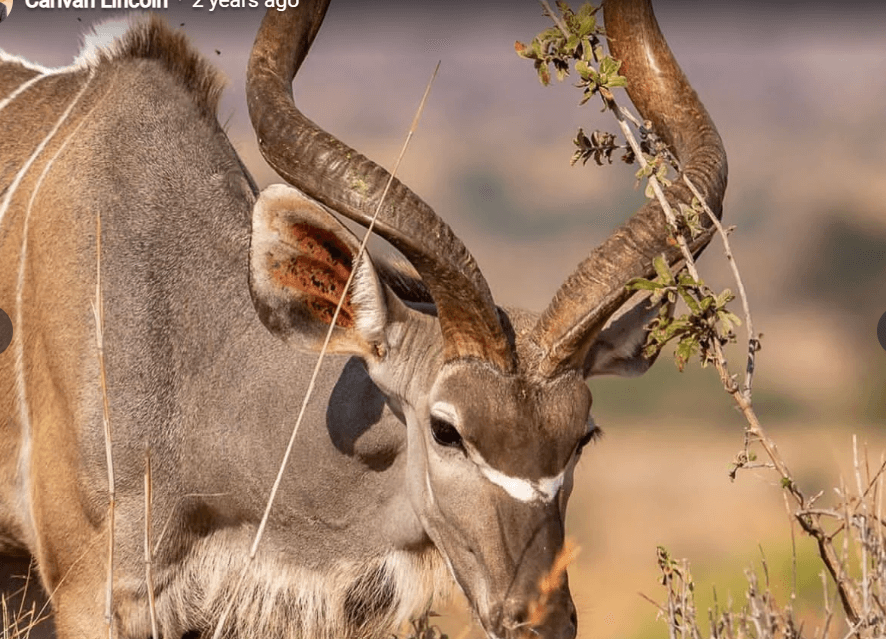
Ruaha also shelters rare species such as sable antelope, roan antelope, greater kudu, and African wild dogs. These elusive animals are often missed in more trafficked parks, but in Ruaha, the wilderness grants you front-row seats to their world.
Big Cat Capital of Tanzania
Highest Lion Concentration in East Africa
Ruaha is often referred to as Tanzania’s “Big Cat Capital.” It hosts one of the largest populations of lions in Africa, with estimates of over 10% of the continent’s total lion population. They roam the savannah in large prides, frequently spotted along the riverbanks and in the golden grasslands.
Leopards and Cheetahs
Leopards are commonly seen lounging in sausage trees or stalking prey along rocky outcrops. Cheetahs, although more elusive, can also be found darting through open plains. The park’s rich prey base supports a high predator population, making it an excellent location for witnessing predator-prey interactions.
African Wild Dogs
Ruaha is one of the last strongholds of the endangered African wild dog. These highly social and intelligent hunters thrive in the park’s vast and undisturbed wilderness.
Diverse Ecosystems and Massive Elephant Herds
A Convergence of Habitats
Ruaha’s unique location creates an ecological transition zone between East and Southern Africa. This convergence results in a spectacular diversity of landscapes, including baobab-dotted plains, rocky hills, riverine forests, and acacia woodlands.
Elephant Central
The park is home to one of the largest elephant populations in East Africa, estimated at over 10,000 individuals. During the dry season, they gather in massive herds around the Ruaha River, creating incredible photographic opportunities and breathtaking wildlife scenes.
Other Notable Species
In addition to elephants and predators, you can spot:
- Greater and lesser kudu
- Eland
- Hartebeest
- Bat-eared foxes
- Mongoose
- Crocodiles and hippos along the Ruaha River
Authentic Walking Safaris: Explore on Foot
A True Wilderness Experience
Walking safaris in Ruaha offer a chance to engage your senses in a way that vehicle safaris cannot. Accompanied by armed rangers and experienced guides, you can track animals, learn about plant uses, and discover the small wonders of the bush.
Connect With Nature Intimately
Hear the crunch of dry grass, see fresh paw prints in the sand, and smell wild herbs crushed underfoot. Every walk brings insight into the ecosystem, from termite mounds to traditional uses of local flora.
Incredible Birdlife: A Birder’s Dream
Over 570 Bird Species
Ruaha is a birdwatcher’s paradise. With over 570 species, both residents and migrants, it offers exceptional birding year-round. The diverse habitats attract:
- Hornbills
- Fish eagles
- Sunbirds
- Rollers
- Kingfishers
- Raptors
- Endemics like the yellow-collared lovebird
Best Birding Seasons
The green season (November to April) is particularly rewarding for birders as migratory species arrive and breeding activity peaks. Colourful plumages and mating displays make this time spectacular.
Remote Luxury and Wilderness Lodges
Ruaha River Lodge
One of the most iconic lodges in the park, located on the banks of the Ruaha River. Enjoy views of elephants and hippos from your veranda.
Jabali Ridge
A high-end, eco-conscious retreat with panoramic views and elegant suites. Ideal for those seeking comfort without compromising the wilderness experience.
Budget and Mid-Range Options
- Tandala Tented Camp
- Mwagusi Safari Camp
- Ruaha Hilltop Lodge
Each offers authentic safari vibes with excellent guiding and warm Tanzanian hospitality.
Getting to Ruaha National Park Safari
By Air:
- Daily flights from Dar es Salaam, Zanzibar, or Arusha to Msembe Airstrip.
By Road:
- From Iringa (130 km) or Mikumi via TANZAM Highway (long but scenic).
- Best attempted in a 4×4 with a reputable operator.
Best Time to Visit Ruaha National Park
Dry Season (June to October)
- Excellent for wildlife viewing
- Animals concentrate around rivers
- Sparse vegetation makes spotting easy
Green Season (November to April)
- Lush landscapes
- Ideal for birdwatching and photography
- Baby animals and wildflowers
Note: Some camps close during heavy rains (March–May), so plan accordingly.
Frequently Asked Questions (FAQs)
Is Ruaha National Park safe to visit?
Yes, it’s very safe when visited with a licensed guide or operator.
What animals can I expect to see?
Lions, leopards, elephants, giraffes, hippos, crocodiles, kudu, sable, and many more.
How many days should I spend in Ruaha?
Ideally 3 to 5 days to fully explore different habitats and enjoy both game drives and walking safaris.
Can I combine Ruaha with other parks?
Absolutely. Combine with Selous/Nyerere, Mikumi, or fly to Serengeti or Zanzibar for a beach and bush experience.
Ruaha National Park safari offers a classic African safari with the added bonus of solitude, authenticity, and unrivalled wildlife. From its record-breaking lion population to walking safaris and epic birdlife, Ruaha is where the wild things truly are.
If you crave an untouched corner of Africa where every game drive feels personal and every horizon stretches into infinity, then Ruaha is calling. Explore it now—before the world catches on.