Ngorongoro Crater
Ngorongoro Crater Safari: Descend into Africa’s Lost World
Ngorongoro Crater Safari is your ticket to one of the most breathtaking wildlife spectacles on Earth. Often described as the “Eden of Africa,” this ancient caldera is a lush, self-contained ecosystem brimming with life. Nestled within Tanzania’s Northern Safari Circuit, the Ngorongoro Crater offers unparalleled opportunities to spot Africa’s legendary Big Five in a single game drive.
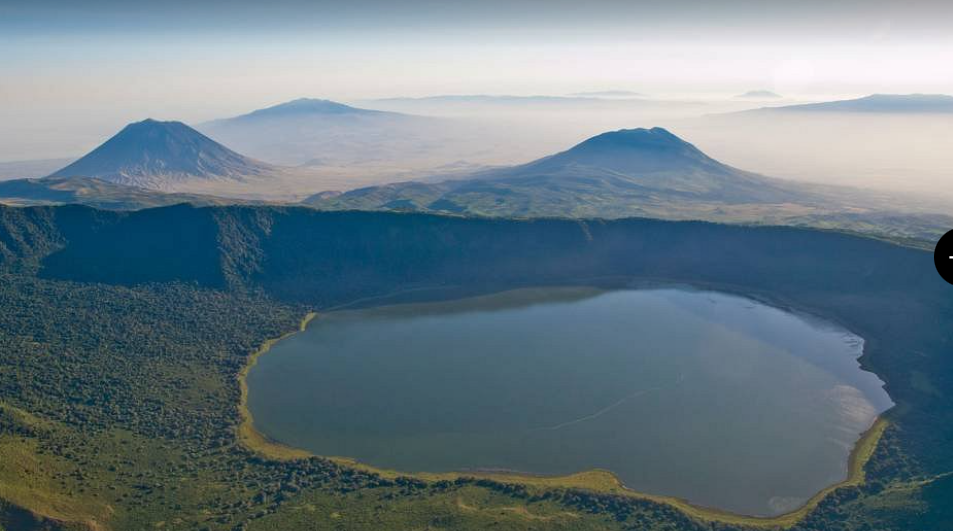
Formed over two million years ago, the crater is the world’s largest intact and unflooded volcanic caldera. At 600 meters deep and 19 kilometres across, it is home to more than 25,000 large animals and over 500 bird species. Whether you are an avid photographer, a first-time safari-goer, or a luxury traveller, Ngorongoro delivers a unique and unforgettable experience.
Where Lions Roam and Rhinos Hide: Discover Ngorongoro Crater
A UNESCO World Heritage Site
Designated as a UNESCO World Heritage Site in 1979, the Ngorongoro Crater is part of the larger Ngorongoro Conservation Area. This protected region is unique in that it harmonises human habitation with wildlife conservation, allowing Maasai pastoralists to live alongside wild animals.
Home of the Big Five in One Spot
Very few places in Africa guarantee sightings of the Big Five — lion, leopard, elephant, buffalo, and rhino — all in one game drive. Ngorongoro Crater is one of those rare locations, making it a top priority for wildlife enthusiasts.
Scenic Beauty
From the panoramic views at the crater rim to the lush green floor teeming with animals, the scenery is nothing short of majestic. Misty mornings give way to clear, sunlit afternoons, perfect for photography and wildlife observation.
High Wildlife Density
Despite its compact size, the crater supports an incredibly high concentration of animals. Here, you’re almost guaranteed to see elephants, wildebeests, zebras, hyenas, jackals, and hippos, all within a few hours of your descent.
Rare Black Rhinos
Ngorongoro Crater is among the best places in East Africa to spot the critically endangered black rhinoceros. Due to strict anti-poaching measures, the population here has remained stable, offering a rare chance to see these elusive giants.
Tanzania’s Wildlife Wonderland: Explore Ngorongoro Crater
Year-Round Wildlife Viewing
Unlike many parks that are seasonal, Ngorongoro offers exceptional game viewing all year. Animals do not migrate out of the crater, ensuring constant wildlife activity.
Proximity to Arusha and Serengeti
Located just 3-4 hours by road from Arusha and bordering Serengeti National Park, Ngorongoro is easily accessible and perfectly positioned for multi-destination safaris within Northern Tanzania.
Cultural Visits to Maasai Villages
Enhance your safari with a visit to a traditional Maasai village on the crater rim. Learn about their customs, cattle herding practices, and harmonious co-existence with wildlife in this unique ecosystem.
Photograph Africa’s Big Five in One Day at Ngorongoro Crater
Photography Tips
- Golden Hour: Sunrise and sunset light is ideal for capturing the crater’s landscapes and wildlife.
- Zoom Lens: Essential for photographing rhinos and elusive predators from a distance.
- Wide Angles: Useful for crater panoramas and scenic shots.
- Weather Awareness: Early mornings may be misty; be prepared to shoot in varied light conditions.
Accommodation Options: Luxury to Budget-Friendly Choices
Whether you seek indulgence or economy, the Ngorongoro area has lodging options for every traveller:
Luxury
- Ngorongoro Crater Lodge (andBeyond): Often described as the “game lodge at the top of the world,” this iconic property offers opulence with unparalleled views.
- The Highlands (Asilia Africa): A unique dome-style camp set on the slopes of Olmoti Volcano, offering exclusivity and comfort.
Midrange
- Ngorongoro Serena Safari Lodge: Built into the crater rim, offering panoramic views and cultural décor.
- Rhino Lodge: Comfortable and eco-friendly, located close to the descent road.
Budget
- Simba Public Campsite: Offers basic amenities and stunning views from the crater rim.
- Endoro Lodge (Karatu): Affordable yet charming, located near the main gate.
How to Get There
By Road
- From Arusha: Approx. 3-4 hours via well-maintained roads.
- From Serengeti: About 2-3 hours, depending on road conditions.
By Air
- Lake Manyara Airstrip: Closest airstrip (approx. 1 hour from the crater), served by flights from Arusha and Serengeti.
FAQs About Ngorongoro Crater
What is the best time to visit Ngorongoro Crater?
Ngorongoro Crater is a year-round destination. However, the dry season (June to October) offers the best game viewing conditions, while the wet season (November to May) features lush landscapes and fewer crowds.
Is it safe to visit Ngorongoro Crater?
Yes, it is one of the safest safari destinations in Tanzania. All game drives are conducted by professional guides in well-maintained safari vehicles.
Can I do a self-drive safari?
Self-drives are technically allowed but not recommended due to strict rules, steep roads, and better animal tracking when guided by professionals.
What animals can I expect to see?
Expect sightings of elephants, lions, hippos, wildebeests, zebras, buffaloes, hyenas, jackals, leopards, and black rhinos.
Ngorongoro Crater Safari is more than just a game drive — it’s a journey into an ancient, self-sustaining world teeming with life and mystery. From high wildlife density and stunning landscapes to rare rhino sightings and cultural immersion, Ngorongoro truly lives up to its UNESCO World Heritage status.
Whether you’re photographing lions at dawn or chatting with Maasai elders at dusk, every moment in Ngorongoro is pure African magic.