Lake Manyara National Park
Lake Manyara National Park: Tanzania’s Hidden Gem for Tree-Climbing Lions and Birding Bliss
Lake Manyara National Park is, in the words of Ernest Hemingway, “the loveliest I had seen in Africa.” Nestled at the base of the Great Rift Valley escarpment, this picturesque and compact park offers an unforgettable blend of scenic beauty, dense forests, alkaline lake shores, and rare wildlife encounters. Unlike the open plains of Serengeti or the grandeur of Ngorongoro Crater, Lake Manyara National Park delivers a more intimate, diverse safari experience.
Located just 126 kilometres southwest of Arusha, it is a convenient and essential stop on Tanzania’s Northern Safari Circuit. Whether you’re drawn by the famous tree-climbing lions, large elephant herds, or the flocks of flamingos lining the lake, this park promises a vibrant and tranquil adventure — perfect for first-time travellers and seasoned safari enthusiasts alike.
What Makes Lake Manyara National Park Unique?
While Tanzania’s Serengeti and Ngorongoro are famous for the Great Migration and big game, Lake Manyara offers something more intimate, scenic, and unpredictable:
The Famous Tree-Climbing Lions in
Lake Manyara is one of the few places in Africa where lions climb trees — not just for shade, but seemingly for fun. Spotting them lounging on acacia branches is a unique and thrilling safari experience.
Ever-Changing Soda Lake
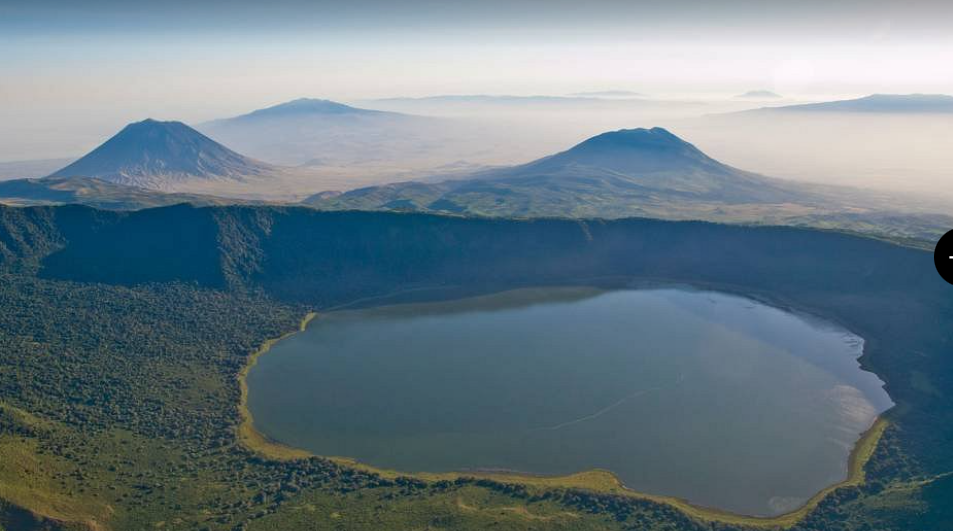
The park’s centrepiece, Lake Manyara, is a shallow alkaline lake that fluctuates in size and colour with the seasons, attracting flamingos and hosting a kaleidoscope of life.
Dense Groundwater Forests
A lush jungle-like forest fed by underground springs makes for a stunning and unexpected landscape. Troops of baboons, blue monkeys, and bushbuck flourish here.
Birding Paradise
With over 400 bird species, including migratory waterbirds and colourful forest dwellers, Lake Manyara is a birder’s dream. It’s especially famed for its pink-hued flamingos that line the lake’s shores.
Best Time to Visit Lake Manyara National Park
Planning your trip well will enhance your safari. Here’s when and why to go:
Dry Season (June to October)
-
Pros: Wildlife viewing is at its best. Animals congregate at water sources, and vegetation is sparse.
-
Cons: Slightly more visitors, though not crowded.
-
Best for: Game drives and lion sightings.
Wet Season (November to May)
-
Pros: Lush scenery, excellent birdwatching, fewer tourists.
-
Cons: Some roads can be muddy and impassable.
-
Best for: Flamingos, butterflies, and newborn animals.
Pro tip: March and April are the wettest and often the quietest. Ideal if you prefer a peaceful safari soaked in greenery.
Wildlife Calendar: What You Can See and When
| Month | Wildlife Highlights |
|---|---|
| January | Baby elephants, impalas calving, excellent birding |
| February | Large buffalo herds, predator activity peaks |
| March | Flamingos return in full colours, lush forest animals more visible |
| April | Wet season births; hippos, bushbuck, and monkeys active |
| May | Elephants dominate woodland zones |
| June | Dry season begins, lions and leopards more visible |
| July | Peak predator sightings, tree-climbing lions seen more often |
| August | Excellent big cat tracking, lake levels lowest exposing flamingo colonies |
| September | Best for general wildlife photography, large herds seen at the lake shore |
| October | Elephants in large numbers, buffalo, zebra, giraffe active |
| November | Start of short rains; lush backdrops; hornbill sightings increase |
| December | Migratory birds arrive, green landscapes, fewer vehicles |
Birding in Lake Manyara National Park
Whether you’re a seasoned twitcher or casual nature lover, the birdlife here will leave you awestruck.
Key Species to Watch For:
-
Greater and Lesser Flamingos – painting the lake pink.
-
Pelicans, Cormorants, and Storks – especially during wet months.
-
Silvery-cheeked Hornbill – in groundwater forests.
-
African Fish Eagle – soaring along the lake edges.
-
Lovebirds, Sunbirds, and Barbets – in the woodlands.
Lake Manyara’s diversity arises from its varied ecosystems: wetlands, acacia woodlands, cliffs, and open grassland. Bring binoculars — and patience.
Top Activities
Game Drives
The classic safari staple. Morning and evening drives offer excellent sightings of elephants, giraffes, hippos, lions, and more.
Guided Walking Safaris
Get up close with nature. Learn about medicinal plants, animal tracks, and insects with expert guides.
Canoeing (Seasonal)
Glide across the lake’s shallow waters and get a closer look at flamingos, pelicans, and hippos.
Night Game Drives
Rare in most parks — this thrilling nocturnal adventure may reveal porcupines, civets, genets, and leopards.
Cultural Visits to Mto wa Mbu
A nearby vibrant village where over 120 tribes live. Enjoy banana beer, food tastings, and artisan workshops.
Photography Tips
To capture the park’s magic:
-
Golden Hour: Sunrise and sunset are perfect for dramatic lighting on the Rift escarpment and lake reflections.
-
Telephoto Lens: Essential for birds and distant animals.
-
Landscape Mode: Capture baobabs, wetlands, and the escarpment in wide shots.
-
Rainy Season Bonus: Clouds and storms create moody, cinematic backdrops.
Accommodation Options in Lake Manyara
National Park
There’s a range of accommodation options to suit every style and budget.
Luxury Lodges:
-
Lake Manyara Tree Lodge (AndBeyond) – nestled in mahogany forests, romantic and exclusive.
-
Escarpment Luxury Lodge – perched with panoramic lake views.
Midrange Choices:
-
Manyara Wildlife Safari Camp – close to the park, with views and charm.
-
Migunga Tented Camp – tucked in a forest, ideal for bird lovers.
Budget Options:
-
Twiga Campsite & Lodge – clean, friendly, near Mto wa Mbu.
-
Panorama Safari Camp – basic, with breathtaking views over the Rift Valley.
How to Get to Lake Manyara National Park
By Air:
-
From Arusha Airport: Daily flights by Coastal Aviation or Auric Air to Lake Manyara Airstrip.
-
Flight time: Approx. 30 minutes.
By Road:
-
From Arusha: Around 2.5 hours (126 km) via the well-maintained Great North Road.
-
From Ngorongoro or Serengeti: Easily connected on the Northern Circuit route.
Tip: Many travellers combine Lake Manyara with Ngorongoro Crater and Tarangire in a 5–7 day safari itinerary.
FAQs
Q1: Is Lake Manyara worth visiting?
Yes! It’s ideal for short, scenic safaris, birdwatching, and spotting rare behaviours like lions climbing trees.
Q2: How much is the entrance fee?
-
Rates may vary depending on resident status and Tanzanian Wildlife Authority updates.
Q3: Is it malaria-prone?
Yes, bring anti-malarial medication, insect repellent, and wear long sleeves in the evening.
Q4: Can I visit in a day?
Absolutely! It’s a perfect half or full-day park, especially when travelling between Arusha and Ngorongoro.
Q5: Is Lake Manyara safe?
Very safe when travelling with a licensed safari operator. The park is well-patrolled and infrastructure is well maintained.
Lake Manyara National Park offers a quiet, scenic, and soul-stirring experience — especially for those who appreciate variety, lush beauty, and close wildlife encounters. Whether it’s the acrobatics of baboons, the rare sight of lions on limbs, or the harmony of pink flamingos — this park speaks to the heart of true African safari lovers.